Downloadable
LOSE STUBBORN WEIGHT

(0 Ratings)
1
$6.27$15.48
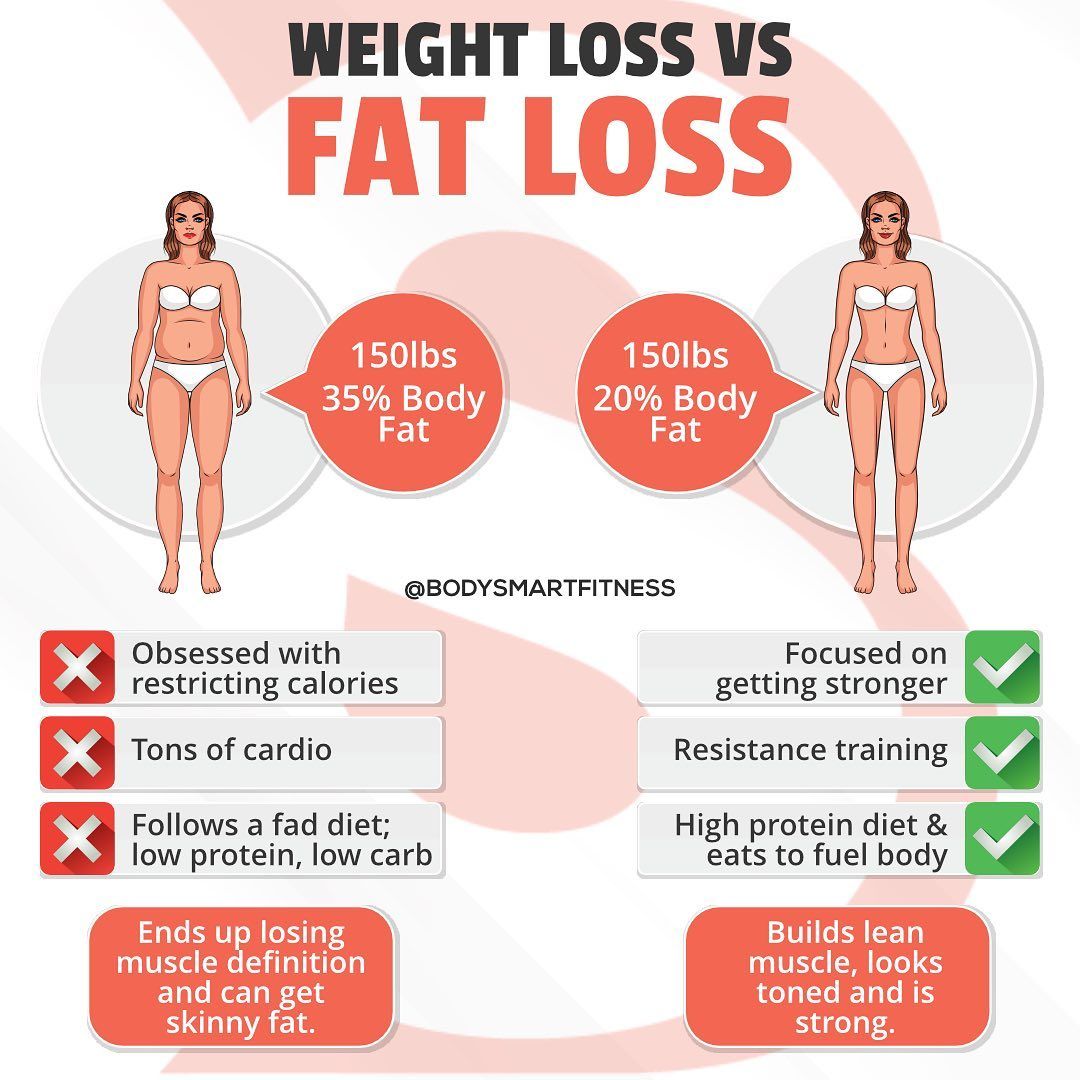
Weight loss is a decrease in total body mass resulting from a variety of factors, including diet, exercise, or underlying medical conditions. While it often refers to reducing body fat, it can also include a decrease in water, muscle mass, or other lean tissue.
Intentional vs. unintentional weight loss
The nature of weight loss can be categorized by its purpose:
- Intentional weight loss: A deliberate effort to improve health, fitness, or appearance. It is typically achieved through a sustained calorie deficit, where fewer calories are consumed than are burned.
- Unintentional weight loss: Occurs without conscious effort due to factors like illness, stress, or poor nutrition. This type can sometimes indicate a more serious medical issue.
The stages of intentional weight loss
The process of losing weight typically occurs in two main stages:
- Initial rapid weight loss: In the first few weeks, a person may experience a faster rate of weight loss, primarily due to a reduction in water and stored carbohydrates. This is when initial changes in how clothes fit are often noticed.
- Slower, more consistent weight loss: After the initial phase, weight loss slows and becomes more consistent. During this time, the weight lost is primarily from body fat. This is a more sustainable, long-term process.
Describing the weight loss journey
Beyond just a number on a scale, a weight loss journey is a process of personal transformation involving changes to one's mindset and lifestyle. It can be described in terms of:
- Creating healthier habits: Adopting sustainable habits related to diet, exercise, sleep, and stress management is key to long-term success.
- Increased energy: Many people report a boost in energy levels and a greater ease of movement as they shed excess weight.
- Improved confidence: The process of taking control of one's health can lead to increased self-esteem and an empowered feeling of accomplishment.
- Better overall health: Significant weight loss can reduce the risk of health conditions such as heart disease and type 2 diabetes and may even lead to a reduction in certain medications.
- Patience and persistence: It is a gradual process with occasional plateaus and setbacks. Success requires perseverance and focusing on lifestyle changes rather than quick fixes.
AI can make mistakes, so double-check